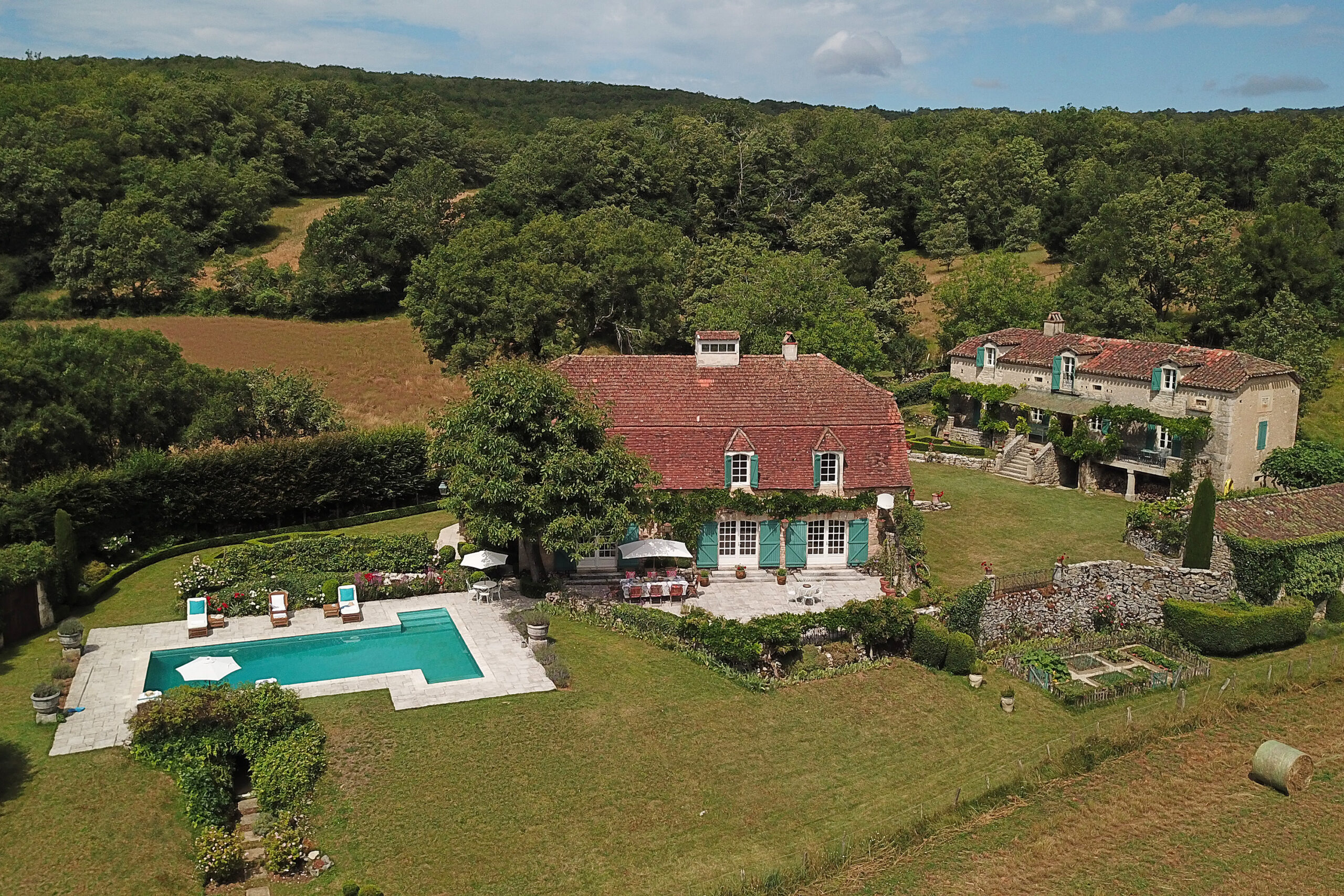
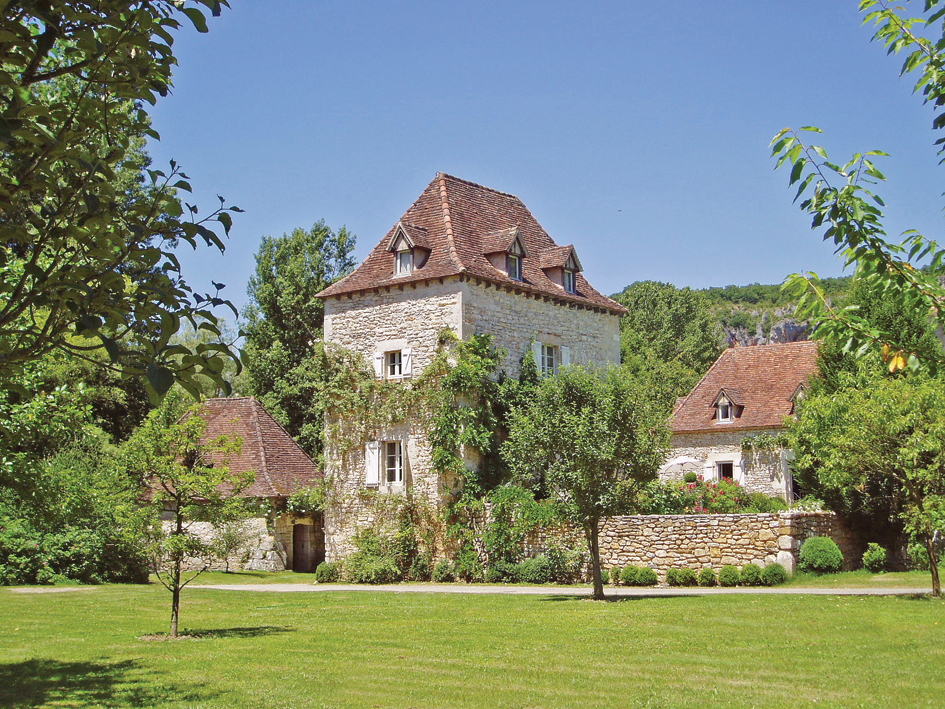
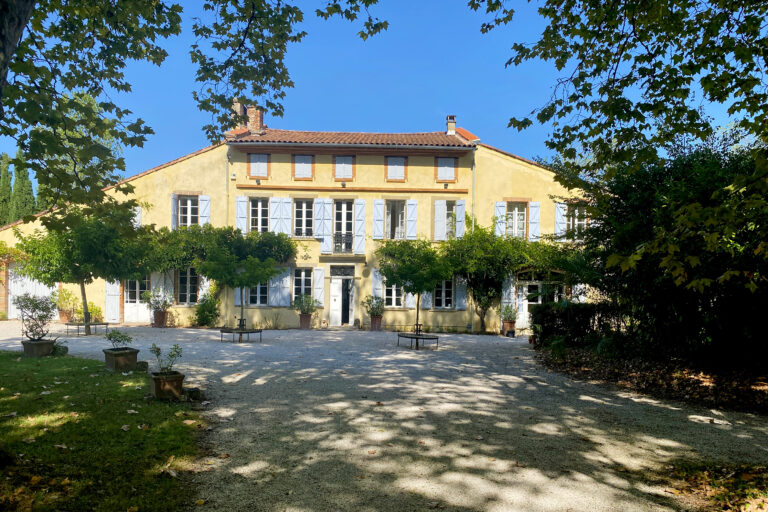
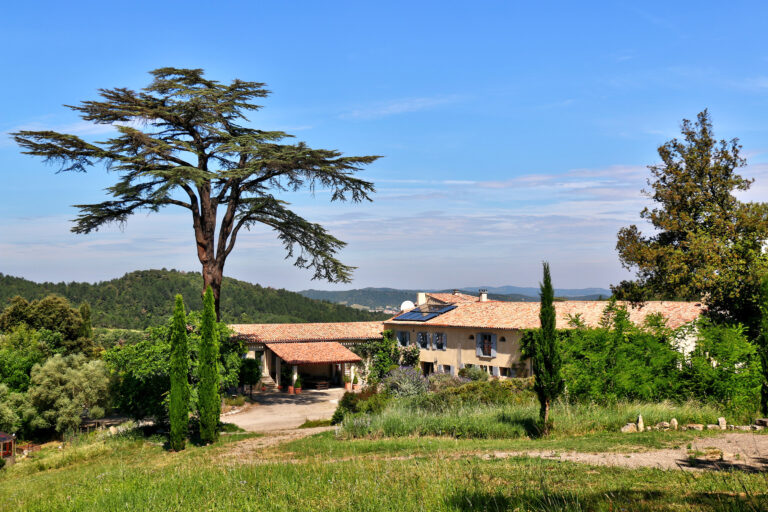
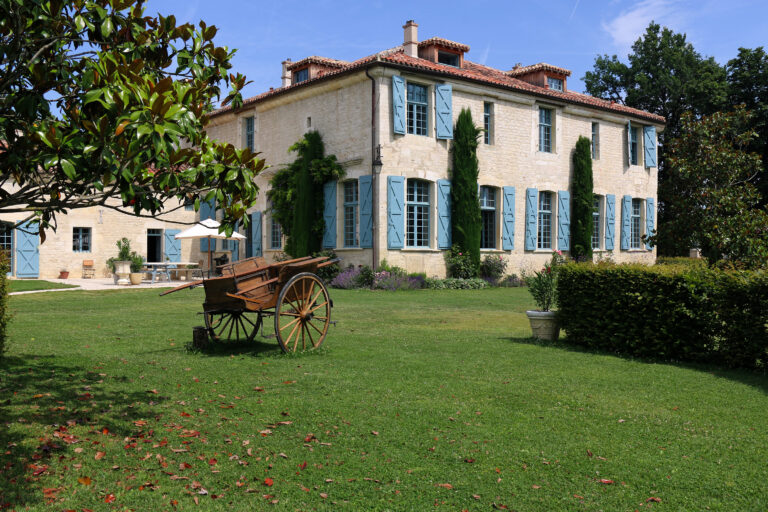
The Lot department, nestled in the Occitanie region of southwestern France, is known for its picturesque landscapes, medieval towns, and scenic river valleys. Dominated by the Lot River, which meanders through limestone cliffs and lush countryside, the department is famous for its stunning natural beauty and historic sites. The capital, Cahors, is renowned for its well-preserved medieval architecture, including the iconic Pont Valentré, a UNESCO-listed fortified bridge that spans the Lot River. The region’s landscape is defined by rolling hills, dramatic cliffs, and ancient stone villages, making it a peaceful destination steeped in history.
The Lot’s gastronomy is deeply rooted in its agricultural traditions, with local specialties that highlight the richness of its land. The department is famous for its Cahors wine, a dark, robust red made primarily from the Malbec grape, grown in the region’s vineyards for centuries. Truffles, known as “black diamonds,” are another prized product of the Lot, found in the area’s woodlands and celebrated in local markets and festivals. The department is also known for its Quercy lamb, a tender and flavorful meat that is a staple of local cuisine, as well as walnuts, which are used in everything from salads to traditional walnut oil. Rocamadour cheese, a soft goat cheese produced in the region, adds to the Lot’s culinary fame.
Beyond its gastronomy, the Lot’s landscape is ideal for outdoor activities such as hiking, canoeing, and exploring its numerous caves and underground rivers. The Causses du Quercy Regional Natural Park covers a significant portion of the department, protecting its unique karst formations, gorges, and plateaus. One of the most famous attractions is the Gouffre de Padirac, a massive cave system that includes an underground river visitors can explore by boat. The medieval village of Rocamadour, perched on a cliffside, is a major pilgrimage site and a UNESCO World Heritage site, offering breathtaking views of the surrounding countryside. The Lot’s combination of dramatic landscapes, rich history, and renowned gastronomy makes it one of France’s most enchanting rural departments.